
Older homes carry character that newer builds often lack. Original woodwork, unique layouts, and architectural details can make a house feel special. Still, those same features can also create challenges. Outdated systems, worn finishes, and inefficient layouts often stand in the way of comfort and function.
A homeowner who wants a more modern living space doesn’t need to start from scratch. With the right plan, an older property can evolve into something that feels fresh while still holding onto its charm. The process involves smart decisions, the right upgrades, and a clear understanding of what matters most.
This guide walks through that process step by step so you can move forward with confidence.
Start With a Clear Vision for the Space

Every successful renovation begins with clarity. Without a defined direction, even small updates can start to feel scattered. Costs rise, timelines stretch, and the final result may not feel cohesive. A homeowner benefits from slowing down at the beginning and mapping out what they truly want from the space.
A modern home can mean different things depending on personal style. Some homeowners picture open layouts, neutral color palettes, and minimal design. Others prefer a blend of traditional structure with updated finishes. The key is deciding what modern looks like in the context of the home rather than chasing trends that may not last.
Walking through the house room by room can help highlight problem areas. Pay attention to spaces that feel cramped, dark, or inefficient. These are often the best starting points. At the same time, identify features that bring character, such as original trim, built-ins, or hardwood floors. These details can anchor the design as updates are made.
Experienced general contractors often guide homeowners through this planning phase. They can identify what changes are realistic and where structural limitations may exist. Their input helps turn ideas into a workable strategy rather than a collection of disconnected upgrades.
Some homeowners also explore inspiration from luxury home builders to better understand how modern layouts and finishes come together. While a renovation differs from a new build, the design principles still apply. Clean transitions, functional spaces, and thoughtful material choices all play a role in achieving a modern feel.
Taking time to build a clear vision creates a strong foundation for every decision that follows.
Upgrade the Layout for Better Flow
Many older homes were built with separation in mind. Formal dining rooms, enclosed kitchens, and narrow hallways were once standard. Today, these layouts can feel restrictive, especially for families who prefer open, connected spaces.
Improving flow starts with understanding how the home is used daily. If the kitchen feels isolated or the living space lacks connection, small structural changes can make a noticeable difference. Removing or adjusting walls can open sightlines and allow natural light to move more freely throughout the home.
That said, not every wall needs to come down. Some layouts benefit from partial openings or widened doorways instead of full removal. This approach maintains a sense of structure while still improving connectivity. It also helps preserve some of the original design, which can be important in older homes.
Custom homes often reflect this balance well. They are built with intentional flow, where each space connects naturally to the next. While an older home may not allow for a complete transformation, the same ideas can still guide renovations.
Working with local contractors is essential during this stage. Structural changes require careful planning, especially when dealing with load-bearing walls or older building materials. Professionals can assess what is safe and recommend solutions that align with both the design goals and the home’s structure.
When the layout improves, the entire home begins to feel more functional. Movement becomes easier, spaces feel larger, and daily routines become more comfortable.
Modernize the Kitchen Without Losing Character

The kitchen often serves as the center of the home, which makes it one of the most important areas to update. In older houses, kitchens are often smaller, with limited storage and outdated finishes that no longer support modern needs.
A thoughtful renovation focuses on improving function while respecting the home’s character. Expanding the kitchen, when possible, can create more room for cooking, gathering, and storage. Even small adjustments, such as reworking cabinet placement or adding an island, can improve usability.
Material selection plays a major role in achieving a modern look. Updated cabinetry, durable countertops, and contemporary lighting can transform the space. At the same time, preserving original elements like trim or flooring can keep the design grounded.
General contractors often coordinate these updates to keep everything aligned. Their oversight helps prevent design conflicts and keeps the project moving efficiently. They also ensure that plumbing, electrical, and structural changes are handled correctly.
Looking at projects completed by luxury home builders can provide useful direction. These homes often showcase how to blend style and function in a way that feels natural rather than forced. Bringing similar ideas into a renovation helps create a kitchen that feels current without losing its connection to the rest of the house.
When done right, the kitchen becomes a space that supports both daily routines and social gatherings.
Refresh Bathrooms for Comfort and Function
Bathrooms in older homes tend to show wear more quickly than other areas. Outdated fixtures, worn tile, and inefficient layouts can make them feel uncomfortable and impractical. Updating these spaces improves both comfort and value.
A modern bathroom focuses on simplicity and efficiency. Replacing old fixtures with newer, water-efficient models reduces maintenance and improves performance. Expanding showers or updating tubs can also make the space more enjoyable to use.
Ventilation is another critical factor. Many older bathrooms lack proper airflow, which can lead to moisture buildup over time. Addressing this issue during renovations helps protect the space and improve air quality.
Bathroom remodeling contractors play an important role in these updates. They understand how to balance design with function while ensuring that plumbing systems are properly upgraded. Their experience helps avoid common issues that can arise during bathroom renovations.
In some cases, hidden problems may surface during the process. Mold removal companies may need to step in if moisture has caused damage behind walls or under flooring. Taking care of these issues early prevents further complications and supports a healthier living environment.
A well-updated bathroom brings comfort into everyday routines while aligning with modern expectations.
Improve Energy Efficiency Throughout the Home
Energy efficiency is often overlooked during renovations, but it has a direct impact on comfort and long-term costs. Older homes frequently struggle with insulation gaps, outdated windows, and air leaks that make temperature control difficult.
Improving efficiency begins with identifying where energy is being lost. Attics, basements, and windows are common problem areas. Adding insulation and sealing gaps can make a noticeable difference without requiring major structural changes.
Windows also play a key role. Replacing them can improve both appearance and performance. In addition, home window tinting helps reduce heat gain during warmer months while protecting interior finishes from sun exposure.
Moisture control is another factor that affects efficiency. A waterproofing company can address issues in basements or foundations that contribute to damp conditions. These problems often lead to temperature fluctuations and higher energy use if left untreated.
As these improvements come together, the home becomes easier to maintain. Heating and cooling systems work more effectively, and indoor spaces feel more consistent throughout the year.
Address Structural and Exterior Updates
The exterior of a home sets the tone before anyone steps inside. In older houses, this area often needs attention due to years of exposure to weather and wear.
Roofing is one of the first elements to evaluate. Roofing professionals can inspect for damage, aging materials, and potential leaks. Addressing these concerns protects the entire structure and prevents costly repairs later.
Siding, gutters, and drainage systems also contribute to the home’s condition. Updating these features improves both function and appearance. Proper drainage, in particular, helps prevent water damage that can affect the foundation.
Outdoor boundaries and privacy features can also be updated during this stage. A fence company can install or repair fencing that complements the home while providing security and definition.
Local contractors often handle these exterior updates with an understanding of regional conditions. Their experience ensures that materials and installation methods are suited to the local climate.
A well-maintained exterior supports the overall transformation and creates a strong first impression.
Preserve and Highlight Original Features

Older homes often include details that cannot be easily replicated. These elements add personality and warmth, making the space feel unique.
Instead of removing these features, homeowners benefit from restoring and incorporating them into the updated design. Refinishing hardwood floors can bring back their original beauty. Restoring trim, doors, and built-ins helps maintain the home’s identity.
Balancing old and new requires careful planning. Too many modern changes can make the home feel disconnected, while too little can leave it feeling outdated. Finding the right mix creates a space that feels both fresh and authentic.
Custom homes often include reclaimed materials or vintage-inspired details for this reason. They show how older elements can work within a modern design.
Local contractors with experience in restoration work can guide these decisions. Their knowledge helps protect original features while integrating necessary updates.
This approach allows the home to evolve without losing what makes it special.
Upgrade Systems Behind the Walls
While visible updates create immediate impact, hidden systems are just as important. Electrical wiring, plumbing, and HVAC systems in older homes may not support modern demands.
Upgrading these systems improves safety, efficiency, and overall performance. Rewiring reduces the risk of electrical issues, while updated plumbing ensures reliable water flow. Modern HVAC systems provide better temperature control and energy efficiency.
General contractors often manage these upgrades by coordinating with specialists. Their role helps keep the project organized and ensures that each system works together properly.
During this process, unexpected issues may appear. Mold removal companies may need to address hidden damage caused by moisture or leaks. Taking care of these problems early prevents further complications and supports a healthier home.
Investing in these upgrades creates a strong foundation for all other improvements.
Create Outdoor Spaces That Feel Modern
Outdoor areas have become an extension of the home. Updating these spaces can make a significant difference in how the property is used.
Older homes may have yards that feel underutilized or disconnected from the interior. Adding features like patios, decks, or seating areas creates opportunities for relaxation and gathering.
Design plays a role in how these spaces function. Clean lines, simple materials, and thoughtful layouts help create a modern feel. Lighting also adds value by making outdoor areas usable after dark.
A fence company can help define these spaces while adding privacy. At the same time, local contractors can handle structural additions that improve usability.
When outdoor areas are updated, the home feels more complete. These spaces support everyday living while enhancing overall appeal.
Work With the Right Professionals From the Start
Choosing the right professionals can shape the entire renovation experience. Skilled teams bring structure, experience, and problem-solving ability to each stage of the project.
General contractors often serve as the main point of coordination. They manage timelines, oversee work, and ensure that each part of the project stays aligned. Bathroom remodeling contractors provide focused expertise for specific spaces, while roofing professionals handle critical exterior elements.
A waterproofing company may be needed to address moisture concerns, especially in basements or foundations. Local contractors bring valuable knowledge of building codes and regional conditions, which helps projects move more smoothly.
Looking at work completed by luxury home builders can also provide design inspiration. Their projects often highlight how thoughtful planning leads to cohesive results.
Working with the right team reduces stress and leads to a more successful outcome.
Modern Comfort Meets Timeless Character in Home Transformations
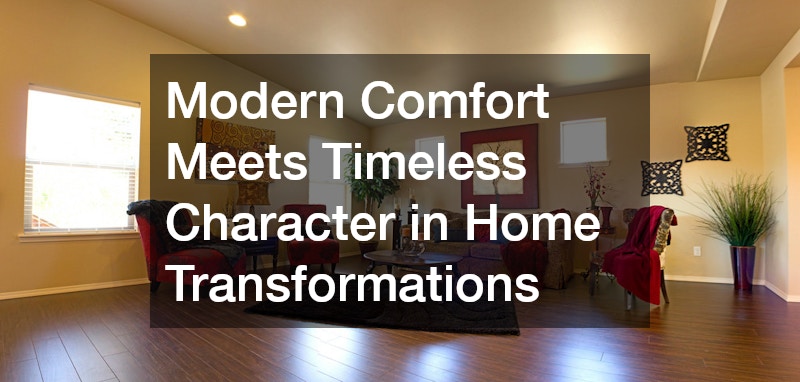
Transforming an older house into a modern space requires thoughtful planning and a clear sense of direction. Each decision should support both function and design, creating a home that feels comfortable and current.
By improving layouts, updating key spaces, addressing structural needs, and preserving original features, a homeowner can achieve a balanced result. The home becomes more practical for daily life while still holding onto its character.
With the right approach, an older property can evolve into a space that feels both timeless and modern.