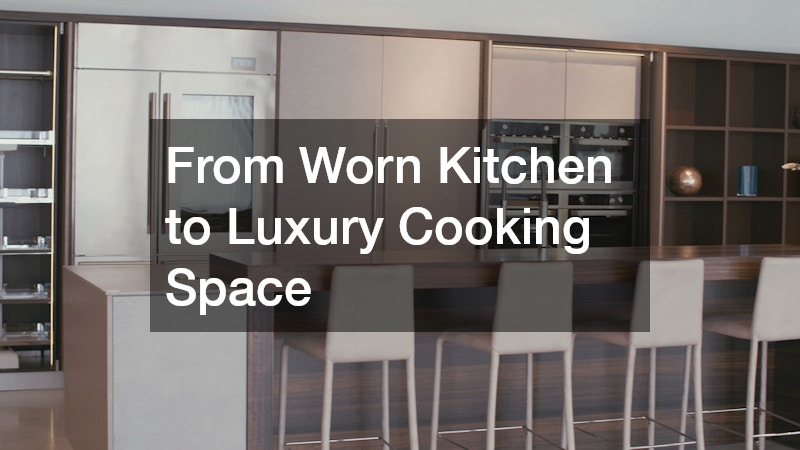
The kitchen has long been considered the heart of the home. It’s where meals are prepared, conversations happen, and family members naturally gather throughout the day. Over time, however, even the most functional kitchen can begin to feel outdated. Worn cabinets, aging appliances, poor lighting, and inefficient layouts can make the space feel less inviting and harder to use.
Transforming an aging kitchen into a luxury cooking space doesn’t necessarily require starting from scratch. With thoughtful planning, the right materials, and experienced professionals, homeowners can upgrade their kitchens into beautiful, functional environments designed for both everyday cooking and entertaining.
A successful kitchen renovation blends style and practicality. While aesthetic upgrades like countertops and flooring certainly improve appearance, the real transformation often comes from improving workflow, maximizing storage, and creating a space that supports how you live and cook.
This guide explores the process of turning a worn kitchen into a high-end cooking space, from evaluating the existing layout to selecting finishes and coordinating the professionals who bring the design to life.
Evaluate What’s Not Working in Your Current Kitchen

Before planning new finishes or selecting appliances, it’s important to understand what problems your existing kitchen has. Many homeowners focus on cosmetic changes first, but the most impactful upgrades often address functionality issues.
Working with professionals who specialize in kitchen remodeling services can help identify the most important improvements for your space. These experts often notice inefficiencies homeowners overlook, such as poor traffic flow, limited storage, or awkward appliance placement.
Some common problems found in older kitchens include:
- Insufficient counter space
- Limited cabinet storage
- Poor lighting in cooking areas
- Outdated appliances
- Inefficient layout
A home contractor can also assess whether structural changes might improve the kitchen’s usability. For example, removing a wall between the kitchen and dining area may create a more open environment that supports modern lifestyles.
Questions to Ask During the Evaluation Stage
When reviewing your current kitchen, consider these questions:
- Do multiple people struggle to cook comfortably at the same time?
- Is there enough storage for cookware, appliances, and pantry items?
- Are appliances positioned conveniently for cooking tasks?
- Does the space feel cramped or closed off?
Answering these questions helps define the goals for your renovation.
Set Clear Priorities
Once you understand what isn’t working, create a list of renovation priorities. These might include:
- Improving storage
- Expanding cooking space
- Updating surfaces
- Improving lighting
- Enhancing the kitchen’s overall design
Defining these goals early helps guide design decisions throughout the project.
Clear the Space and Prepare for a Fresh Start
Every major kitchen renovation begins with demolition. Removing outdated materials allows contractors to rebuild the space with modern layouts and new finishes.
Although some homeowners attempt demolition themselves, hiring professional local demolition companies often leads to faster and safer results. Experienced crews understand how to remove cabinets, countertops, and flooring without damaging surrounding areas.
Professional demolition services typically include:
- Cabinet and countertop removal
- Appliance removal
- Flooring removal
- Wall demolition when necessary
- Debris cleanup
Why Professional Demolition Matters
Kitchen demolition can reveal hidden problems that must be addressed before rebuilding begins. These may include:
- Water damage behind cabinets
- Mold or mildew
- Old plumbing lines
- Outdated electrical wiring
Discovering these issues early allows contractors to correct them before installing new materials.
Protecting the Rest of the Home
Professional demolition teams also take steps to protect nearby spaces by:
- Sealing off work areas
- Controlling dust and debris
- Protecting floors and furniture in adjacent rooms
This preparation helps ensure the renovation begins with a clean and safe work environment.
Redesign the Layout for Better Cooking and Entertaining
One of the most impactful changes during a kitchen renovation is improving the layout. Older kitchens were often designed with limited space and closed floor plans, while modern kitchens emphasize openness and efficiency.
When planning a new layout, many homeowners focus on improving the classic work triangle between the sink, stove, and refrigerator. This concept ensures that essential cooking tasks can be performed smoothly without unnecessary movement.
For larger renovation projects, custom home building services may assist in redesigning kitchens that require structural adjustments. These specialists can help modify walls, expand the kitchen footprint, or integrate the space more seamlessly with surrounding rooms.
Planning Electrical Infrastructure
Modern kitchens rely heavily on appliances, lighting, and technology. Proper electrical services are essential when relocating appliances or adding new features such as kitchen islands or beverage stations.
Electrical planning may include:
- Installing new outlets for appliances
- Upgrading circuit capacity
- Adding charging stations
- Preparing for smart kitchen devices
Early electrical planning ensures that all components function safely and efficiently.
Creating Space for Social Interaction
Today’s kitchens are often designed to serve multiple purposes beyond cooking. They may include seating areas, islands for gathering, or open connections to dining and living spaces.
These features make the kitchen a natural hub for entertaining and family interaction.
Choose High-End Surfaces That Combine Beauty and Durability

Countertops are one of the most visually striking features in any kitchen. Replacing worn surfaces with premium materials can instantly elevate the entire space.
Installing custom countertops allows homeowners to tailor surfaces precisely to their kitchen layout and design goals. Custom fabrication ensures proper fit around appliances, sinks, and cabinetry.
Popular Countertop Materials
Many luxury kitchens feature materials such as:
- Quartz for durability and low maintenance
- Granite for natural stone appeal
- Marble for elegant aesthetics
- Solid surface materials for seamless designs
Each material offers unique advantages in terms of durability, appearance, and maintenance requirements.
Consider Edge Profiles and Backsplashes
Beyond the surface material itself, design details also play a role in creating a luxury appearance.
Custom countertop installations may include:
- Decorative edge profiles
- Integrated backsplashes
- Waterfall island designs
- Seamless sink integrations
These details contribute to the overall sophistication of the kitchen.
Upgrade Flooring to Match Your New Kitchen Design
While countertops often draw the most attention, flooring plays an equally important role in creating a cohesive kitchen design. Worn or outdated flooring can undermine the appearance of newly renovated cabinets and surfaces.
Consulting flooring companies helps homeowners evaluate materials that balance style, durability, and budget.
Durable Kitchen Flooring Options
Popular choices for modern kitchens include:
- Porcelain tile for durability and water resistance
- Luxury vinyl plank for affordability and resilience
- Engineered hardwood for warmth and elegance
- Natural stone for a high-end aesthetic
Each material has advantages depending on the kitchen’s usage and the homeowner’s lifestyle.
Create Visual Flow With Adjacent Rooms
Modern kitchens often connect directly to living areas, making flooring continuity an important design consideration.
Flooring companies can help homeowners select materials that transition smoothly between rooms while maintaining visual consistency.
Maintenance Considerations
Durable flooring materials not only improve aesthetics but also simplify cleaning and maintenance. Choosing surfaces that resist stains and moisture helps keep the kitchen looking new for longer.
Use Strategic Lighting to Elevate the Entire Kitchen
Lighting plays a critical role in both functionality and ambiance. Poor lighting can make even a beautiful kitchen feel dull or difficult to work in.
Professional lighting contractors often design layered lighting systems that combine different types of illumination.
Key Types of Kitchen Lighting
A well-designed kitchen typically includes:
- Ambient lighting for overall brightness
- Task lighting for cooking and food preparation
- Accent lighting to highlight design features
Examples of these lighting types include:
- Recessed ceiling lights
- Pendant lights over islands
- Under-cabinet lighting
- Interior cabinet lighting
Improve Visibility in Work Areas
Proper lighting placement eliminates shadows in key workspaces such as countertops and sinks. This improves safety while preparing meals and enhances the overall user experience.
Add Decorative Lighting Elements
Lighting also contributes to the kitchen’s style. Decorative fixtures can serve as visual focal points while reinforcing the design theme.
With thoughtful planning, lighting transforms the kitchen from a purely functional space into a welcoming environment.
Refresh Walls and Cabinets With Professional Finishes
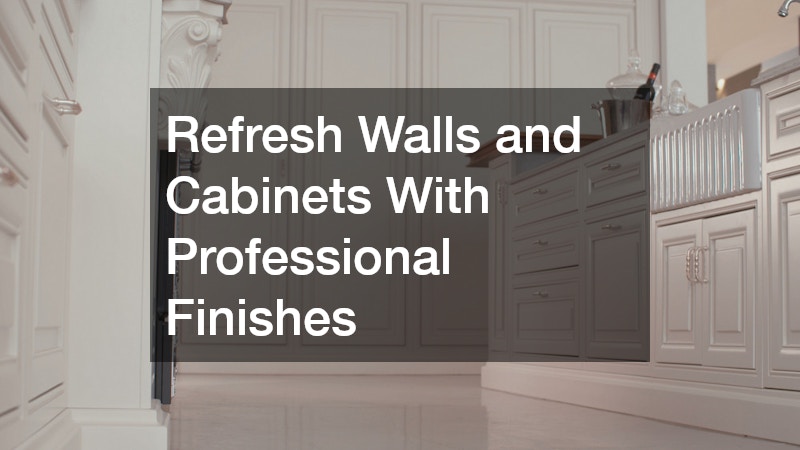
Even after installing new surfaces and fixtures, walls and cabinets play a major role in the final appearance of a kitchen.
Professional local painters help achieve clean, polished finishes that elevate the entire space.
Benefits of Professional Painting
Experienced painters ensure:
- Smooth wall finishes
- Crisp trim lines
- Proper surface preparation
- Durable coatings that resist stains and moisture
Painting professionals also understand how lighting affects color perception, helping homeowners choose shades that complement the kitchen’s design.
Popular Kitchen Color Schemes
Luxury kitchens often incorporate color palettes such as:
- Soft whites and creams
- Warm neutral tones
- Two-tone cabinetry combinations
- Subtle accent colors for contrast
Fresh paint helps unify all the design elements within the kitchen.
Extend Your Kitchen Experience Into Outdoor Living
For homeowners who enjoy entertaining, expanding cooking spaces beyond the interior can be a rewarding upgrade.
An outdoor kitchen allows homeowners to cook, dine, and socialize outdoors while keeping heat and smoke outside the main house.
Benefits of Outdoor Cooking Spaces
Adding an outdoor kitchen offers several advantages:
- Expanded entertaining space
- Improved backyard functionality
- Enhanced property value
- A more enjoyable cooking experience during warm weather
Design Considerations
Outdoor kitchens require materials that can withstand exposure to weather and temperature changes.
Important design elements include:
- Weather-resistant cabinetry
- Durable countertops
- Proper ventilation
- Outdoor-rated appliances
Integrating indoor and outdoor cooking areas can also create a seamless entertaining environment.
Coordinate Contractors and Set a Realistic Timeline

Kitchen renovations involve many moving parts, making coordination essential for a smooth project.
Typical renovation stages include:
- Design and planning
- Demolition
- Structural modifications
- Electrical and plumbing updates
- Installation of cabinetry and surfaces
- Flooring installation
- Finishing work such as painting
Clear communication between contractors helps ensure each phase occurs in the correct order.
Order Materials Early
Material delays are one of the most common causes of renovation setbacks. Ordering appliances, cabinets, and surfaces early helps keep the project on schedule.
Build a Budget Buffer
Unexpected challenges can arise during renovations, especially when older kitchens are involved. Setting aside an additional 10–20 percent of the project budget helps cover unforeseen expenses.
Proper planning and coordination make the renovation process far more manageable.
Conclusion
Transforming a worn kitchen into a luxury cooking space is one of the most rewarding home improvement projects a homeowner can undertake. The kitchen is often the most frequently used room in a home, so upgrading it has an immediate impact on daily life. What once may have felt cramped, outdated, or inefficient can be reimagined as a bright, open environment that supports modern cooking, entertaining, and family interaction. With thoughtful planning, high-quality materials, and experienced professionals, an outdated kitchen can become a beautiful and highly functional centerpiece of the home. Rather than simply replacing worn finishes, a well-executed renovation improves how the space works, feels, and flows with the rest of the house.
By focusing on layout improvements, durable surfaces, efficient lighting, and coordinated design choices, homeowners can create kitchens that support both everyday cooking and memorable gatherings. Durable surfaces ensure the kitchen maintains its beauty despite constant use, while well-placed lighting enhances visibility and highlights key design features. Coordinated design elements—such as cabinetry finishes, flooring, and fixtures—help create a cohesive aesthetic that feels polished and intentional. When all these components work together, the kitchen becomes more than just a place to prepare meals; it becomes a welcoming gathering place where family members naturally connect and guests feel comfortable spending time.
The key to a successful renovation lies in careful preparation and clear goals. Before construction begins, homeowners benefit from taking time to evaluate how their current kitchen is used and what improvements would make the biggest difference. Some households prioritize cooking efficiency, while others want a space designed for entertaining or family gatherings. Identifying these priorities helps guide design decisions and ensures that the renovation addresses real lifestyle needs rather than simply following trends.
Planning each phase of the project also helps prevent unnecessary delays and unexpected expenses. Creating a realistic timeline, selecting materials in advance, and coordinating different stages of construction allow the renovation process to move forward more smoothly. Clear communication between everyone involved in the project helps ensure that each detail aligns with the homeowner’s vision.
When homeowners take the time to evaluate their needs, plan each phase of the project, and collaborate with skilled professionals, the transformation from worn kitchen to luxury cooking space becomes both achievable and worthwhile. The end result is not just a more attractive room but a functional environment that improves everyday living. A thoughtfully designed kitchen enhances convenience, encourages social interaction, and adds lasting value to the home, making the effort and investment of a renovation well worth it.