
Home improvement is about much more than appearance. Strategic upgrades can improve comfort, boost safety, increase energy efficiency, and help protect your property’s long-term value. Whether you’re planning a small renovation or a major remodel, making informed decisions can save money and prevent headaches down the road.
Many homeowners focus on cosmetic updates while overlooking systems and features that have a greater impact on everyday living. Electrical infrastructure, heating equipment, home additions, and preventative maintenance all play a critical role in maintaining a functional and valuable property. By prioritizing projects that address both current needs and future goals, homeowners can maximize the return on every improvement dollar.
This guide explores practical strategies for upgrading your home, hiring qualified professionals, improving efficiency, protecting valuable systems, and planning for long-term success. These expert tips can help create a safer, more comfortable, and better-performing home for years to come.
Build a Long-Term Home Improvement Strategy
Planning before spending is one of the smartest steps any homeowner can take. A long-term improvement strategy allows you to prioritize projects based on necessity, budget, and future value.
Taking the time to assess your home’s current condition can help prevent costly surprises later. Start by identifying areas that require immediate attention, such as aging mechanical systems, roofing issues, plumbing concerns, or outdated electrical components. Once urgent repairs are addressed, you can focus on upgrades that improve efficiency, comfort, and resale value.
A well-organized plan also helps homeowners avoid taking on multiple large projects at the same time. Spacing improvements over several months or years allows for better budgeting and reduces disruptions to daily life. It also provides opportunities to research products, compare contractors, and make more informed decisions.
Consider creating a home improvement checklist that includes estimated costs, priority levels, and projected completion dates. Reviewing this plan annually can help ensure your goals remain aligned with your family’s changing needs and financial situation.
Reduce Energy Costs With Smarter Fuel Management

For homeowners who rely on residential oil heating, maximizing efficiency should be a priority. Small improvements can noticeably reduce energy consumption and operating costs.
Regular maintenance helps heating systems perform more effectively and reduces the likelihood of unexpected breakdowns. Homeowners should also evaluate insulation and air sealing since heat loss often increases fuel consumption.
Helpful tips include:
- Schedule annual heating system inspections.
- Replace filters on a regular basis.
- Seal air leaks around windows and doors.
- Upgrade attic insulation when necessary.
- Track seasonal fuel usage.
A proactive approach can extend equipment life while maintaining comfort throughout colder months. Even simple maintenance habits often translate into long-term savings and fewer costly repairs.
Make Electric Vehicle Charging Convenient and Safe
Installing a home ev charger can increase convenience while helping prepare your property for future transportation needs. Proper planning ensures the system is both safe and efficient.
Before installation, assess your home’s electrical capacity and determine whether upgrades are necessary. Placement is equally important, as a convenient location can improve usability and reduce installation costs.
Consider the following:
- Evaluate panel capacity.
- Choose equipment that meets vehicle requirements.
- Install near the primary parking area.
- Follow local permit requirements.
- Plan for future charging needs.
Thoughtful installation today can prevent expensive modifications later while supporting the growing use of electric vehicles.
Beyond convenience, a charging setup can also contribute to the overall functionality and appeal of a property. As more households adopt electric vehicles, having dedicated charging infrastructure may become an increasingly desirable feature for future buyers. Planning ahead allows homeowners to stay ahead of changing transportation trends while reducing the likelihood of needing major electrical work later.
Homeowners should also think about how their charging needs may evolve over time. A family with one electric vehicle today may own multiple electric vehicles in the future, making it worthwhile to consider expansion options during the initial installation. Installing conduit or allocating additional electrical capacity now can significantly reduce upgrade costs later.
Vet Service Providers Before Signing Any Contract
Hiring reliable local home contractors is essential for successful remodeling projects. Choosing based solely on the lowest bid can often lead to unnecessary problems.
Researching credentials, experience, and customer feedback helps identify professionals who consistently deliver quality work. Establishing expectations before work begins can also prevent misunderstandings.
Best practices include:
- Obtain multiple written estimates.
- Verify licenses and insurance.
- Check references and reviews.
- Review examples of completed work.
- Clarify payment schedules.
Taking the time to thoroughly evaluate contractors can improve project quality and help keep renovations on schedule and within budget.
Upgrade Your Electrical System Before Problems Start
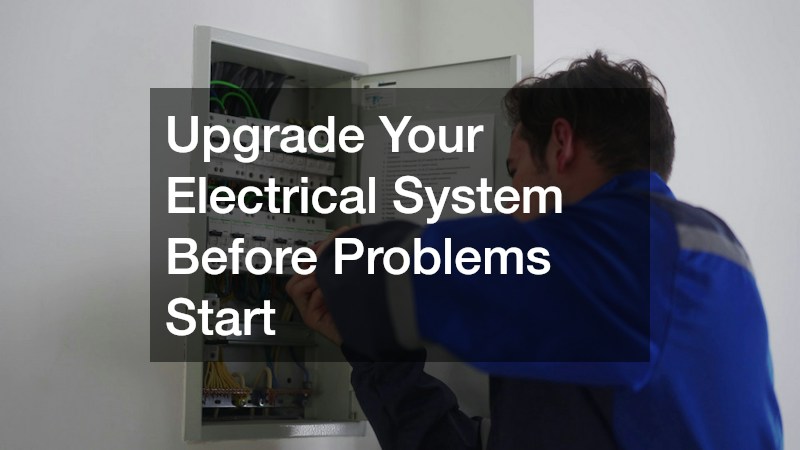
Many older homes were not designed to handle today’s electrical demands. Investing in a professional home wiring service can help identify potential issues before they become major safety concerns.
Outdated wiring may struggle to support modern appliances, electronics, and smart home technology. Early upgrades improve safety while preparing a home for future needs.
Watch for warning signs such as:
- Frequently tripped breakers.
- Flickering lights.
- Warm outlets.
- Limited outlet availability.
- Aging electrical panels.
Preventative upgrades are often less expensive than emergency repairs and can significantly improve household safety.
In addition to reducing potential hazards, proactive electrical improvements can increase the overall efficiency and reliability of a home’s infrastructure. As households add more devices, appliances, and technology, older systems may become strained under increased electrical demand. Addressing issues early helps ensure the system can safely support both current and future needs.
Many homeowners underestimate how much wear and tear electrical components experience over time. Wiring insulation can deteriorate, connections may loosen, and outdated panels may no longer meet modern performance expectations. Periodic inspections can identify these concerns before they result in outages, equipment damage, or costly repairs.
Invest in Structural Improvements That Add Lasting Value
Structural improvements often require a larger investment, but they can provide lasting returns through improved functionality, comfort, and resale value.
Plan Additions That Blend Seamlessly With Existing Spaces
Working with an experienced home addition builder can help ensure that new spaces complement the existing structure rather than appearing disconnected.
The best additions improve daily living while preserving cohesion throughout the home. Careful planning helps maximize both usability and future market appeal.
Important considerations include:
- Matching architectural style.
- Maintaining consistent materials.
- Preserving natural light.
- Improving traffic flow.
- Incorporating adequate storage.
A well-designed addition should feel like a natural extension of the home while meeting specific household needs.
Customize Features Around Your Lifestyle and Future Needs

Whether you’re partnering with custom home builders or a modular home builder, personalization should focus on long-term functionality rather than short-term trends.
Thoughtful design choices from a custom modular home builder can create spaces that remain practical and appealing for years. Flexibility is particularly important for families whose needs may evolve over time.
Features worth considering include:
- Multi-purpose rooms.
- Energy-efficient windows.
- Durable flooring materials.
- Flexible floor plans.
- Aging-in-place features.
Balancing personal preferences with practical design principles can increase both comfort and long-term property value.
Protect Your Home From Unexpected Damage and Costs
Preventative upgrades can help homeowners avoid expensive repairs while protecting valuable systems and equipment.
Safeguard Electronics and Appliances From Power Issues
Modern households depend heavily on electronics, making home surge protection a worthwhile investment. Electrical surges can damage appliances, smart devices, and entertainment systems.
A comprehensive protection strategy reduces risk and helps extend equipment life.
Benefits include:
- Protection for major appliances.
- Improved device lifespan.
- Reduced repair expenses.
- Better smart-home reliability.
- Greater peace of mind.
Many homeowners combine whole-house systems with point-of-use devices to create a more complete layer of protection against power fluctuations.
Prepare for Seasonal Fuel Needs Before Demand Peaks
Working with a dependable home heating oil company can simplify fuel management and help ensure consistent service during colder months.
Planning ahead reduces the risk of supply interruptions and helps homeowners budget more effectively throughout the year.
Helpful practices include:
- Monitor tank levels regularly.
- Track yearly consumption patterns.
- Schedule seasonal inspections.
- Review service plan options.
- Prepare for emergency situations.
Managing fuel needs proactively can improve reliability and reduce stress during the heating season.
Improve Comfort and Functionality Across All Property Types

Every home has unique requirements. Successful improvements address specific challenges while enhancing daily comfort and usability.
Focus on High-Impact Upgrades That Enhance Daily Living
Owners of mobile homes can often achieve significant improvements through targeted upgrades that increase efficiency, comfort, and appearance.
Many projects offer strong value without requiring major reconstruction. Focusing on practical improvements can provide noticeable benefits quickly.
Consider upgrades such as:
- Improved insulation.
- Energy-efficient windows.
- Updated flooring.
- Modern lighting fixtures.
- Additional storage solutions.
Preventative upgrades are often less expensive than emergency repairs and can significantly improve household safety.
In addition to reducing potential hazards, proactive electrical improvements can increase the overall efficiency and reliability of a home’s infrastructure. As households add more devices, appliances, and technology, older systems may become strained under increased electrical demand. Addressing issues early helps ensure the system can safely support both current and future needs.
Many homeowners underestimate how much wear and tear electrical components experience over time. Wiring insulation can deteriorate, connections may loosen, and outdated panels may no longer meet modern performance expectations. Periodic inspections can identify these concerns before they result in outages, equipment damage, or costly repairs.
Create a Maintenance System That Prevents Costly Repairs
A structured maintenance plan helps homeowners stay ahead of problems before they become expensive emergencies. Properties that rely on residential oil heating while also supporting a home ev charger can especially benefit from routine inspections and organized service schedules.
Rather than reacting to failures, homeowners should establish consistent maintenance habits throughout the year.
A strong system should include:
- Annual professional inspections.
- Seasonal maintenance checklists.
- Equipment warranty records.
- Service histories.
- Planned replacement timelines.
Keeping organized records makes it easier to monitor performance, budget for future upgrades, and maintain critical systems. Consistent maintenance reduces unexpected expenses and helps ensure that important home systems continue operating efficiently for years.
Expert home improvement involves more than choosing attractive finishes or following popular design trends. The most successful projects focus on safety, efficiency, functionality, and long-term value. By investing in preventative maintenance, upgrading critical systems, and carefully planning major renovations, homeowners can create living spaces that better support their needs.
Whether improving energy efficiency, expanding usable space, protecting valuable equipment, or modernizing infrastructure, each improvement should contribute to a stronger and more comfortable home. Taking a thoughtful approach also helps reduce unnecessary expenses and prevents many common renovation mistakes.
Ultimately, homeowners who plan strategically, hire qualified professionals, and stay proactive with maintenance are often rewarded with greater comfort, improved reliability, and stronger property value. Small improvements made consistently over time can have a lasting impact on both everyday living and future resale potential.