Key Takeaways
- Cleaning white walls can dramatically brighten a room and often eliminates the need for immediate repainting.
- Using gentle cleaning supplies and proper techniques helps remove dirt without damaging painted surfaces.
- Dusting walls before washing prevents streaks and improves overall cleaning results.
- High-traffic areas such as hallways, kitchens, and entryways benefit from more frequent cleaning and inspection.
- Some stains, including water damage and peeling paint, may require repairs or repainting instead of cleaning alone.
- Regular wall cleaning provides an opportunity to spot developing maintenance issues before they become major problems.
- Simple preventive habits can help keep walls cleaner and maintain a fresh-looking interior for longer.
White walls have remained a favorite choice in home design for decades. They create a bright, clean appearance that makes rooms feel larger, reflects natural light, and complements nearly every decorating style. Whether you’re preparing a property for sale, updating a recently purchased home, or simply maintaining your current space, clean white walls can dramatically improve the overall appearance of your interior.
The downside is that white paint also shows dirt more easily than darker colors. Scuff marks, fingerprints, dust, pet stains, food splatters, and everyday wear become noticeable over time. Fortunately, most dirty walls can be restored with simple cleaning techniques and the right supplies. In many cases, cleaning your walls costs very little but produces results that rival a fresh coat of paint.
For homeowners involved in fix-and-flip projects, rental property updates, or regular home maintenance, learning how to properly clean white walls is a valuable skill. This guide explains how to clean different types of stains safely while protecting your paint and helping your home look brighter and more inviting.
Why Clean White Walls Instead of Painting Right Away?
When walls begin to look dull or dirty, many people assume repainting is the only solution. However, years of accumulated dust and surface stains often make paint appear older than it actually is. A thorough cleaning may restore much of the original brightness without the cost and effort of repainting.
Cleaning is especially worthwhile before listing a home for sale or showing a property to potential buyers. Fresh-looking walls create a positive first impression and make the entire home appear better maintained. This can be particularly valuable in fix-and-flip projects, where maximizing visual appeal while controlling renovation costs is essential.
Regular wall cleaning also extends the life of your paint by removing substances that can gradually damage the finish if left untreated. Even in busy households with children or pets, periodic maintenance helps keep walls looking newer for longer.
Benefits of cleaning walls before repainting include:
- Saves money on paint and supplies
- Improves the appearance of rooms
- Extends the life of painted surfaces
- Removes everyday dirt and stains
- Creates a cleaner first impression
Gather the Right Cleaning Supplies
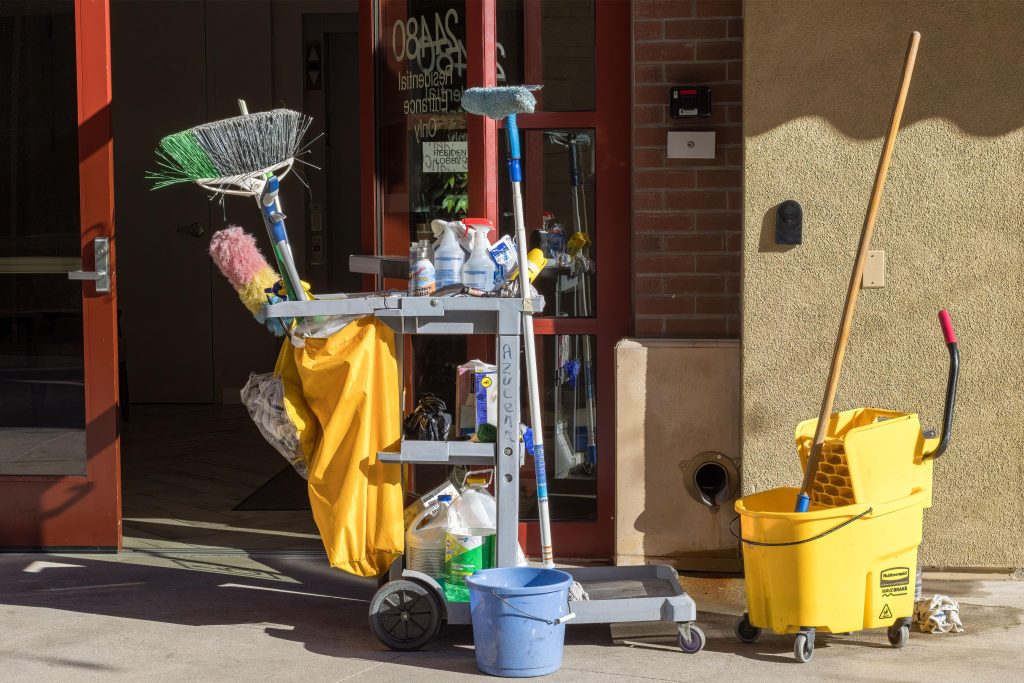
Using the proper cleaning tools helps remove dirt without damaging painted surfaces. Fortunately, most supplies are inexpensive and already found in many homes.
Start with a soft microfiber cloth or sponge to avoid scratching the paint. A bucket of warm water mixed with a few drops of mild dish soap is often all you need for general cleaning. For tougher marks, a baking soda paste or a melamine foam sponge may be useful, but both should be used carefully and tested in an inconspicuous area first.
Avoid harsh chemicals, abrasive scrub brushes, or strong solvents unless the paint manufacturer specifically recommends them. These products can dull the finish or remove paint entirely.
Having everything prepared before you begin makes the cleaning process faster and more efficient.
Basic supplies include:
- Microfiber cloths
- Soft sponges
- Mild dish soap
- Warm water
- Bucket
- Dry towels
- Step ladder
- Baking soda (for stubborn stains)
Dust the Walls Before Washing
Many people skip this step, but removing dust before washing prevents dirt from turning into muddy streaks across the wall.
Use a microfiber duster, soft cloth, or vacuum with a brush attachment to remove loose dust, cobwebs, and debris. Begin near the ceiling and work downward so falling dust does not settle on already cleaned areas.
Pay special attention to corners, ceiling edges, door frames, window trim, and behind furniture where dust tends to accumulate. This simple step improves the final cleaning results while making the washing process much easier.
Dusting also gives you an opportunity to inspect the walls for scratches, nail pops, peeling paint, or moisture damage that may require additional attention.
Focus on these dusty areas:
- Ceiling corners
- Baseboards
- Around doors
- Window trim
- Behind furniture
- Air vents
Wash Walls Using Gentle Techniques
Once the dust has been removed, begin washing the walls with your mild soap solution. Dip a sponge or microfiber cloth into the water, then wring it out well. Excess water can damage drywall or leave streaks behind.
Work on one small section at a time using gentle circular motions. Start near the bottom of the wall and gradually move upward. While this may seem unusual, it helps reduce visible drip marks that can occur when cleaning from the top down.
After cleaning each section, wipe it with a clean, damp cloth to remove soap residue before drying with a soft towel.
Taking your time helps produce even results without damaging the paint.
Good cleaning practices include:
- Use minimal water
- Work in small sections
- Wipe gently
- Rinse away soap residue
- Dry each section promptly
Remove Common Wall Stains Safely
Some stains require more attention than ordinary dust. Fingerprints near light switches, scuff marks from shoes, crayon drawings, grease splatters, and pet marks are common on white walls.
For light scuffs, a damp microfiber cloth may be enough. More stubborn marks often respond well to a small amount of baking soda mixed with water into a gentle paste. Apply lightly using a soft cloth and rinse afterward.
Melamine foam cleaning sponges can also remove difficult marks, but use them carefully. They work through mild abrasion, so excessive scrubbing may dull flat or matte paint finishes.
Always test any cleaning method on a hidden area before treating highly visible sections.
Common stains include:
- Fingerprints
- Shoe scuffs
- Grease spots
- Crayon marks
- Food splatters
- Pet stains
Pay Extra Attention to High-Traffic Areas
Not every wall becomes dirty at the same rate. Certain areas naturally collect more fingerprints, bumps, and scuff marks due to daily use.
Hallways, staircases, entryways, kitchens, children’s bedrooms, laundry rooms, and mudrooms usually require more frequent cleaning than formal living spaces.
Doors, light switch plates, thermostat areas, and corners near furniture should also be included during routine cleaning.
Giving these high-use areas additional attention helps maintain a consistently clean appearance throughout the home.
High-traffic locations include:
- Hallways
- Entryways
- Kitchens
- Children’s rooms
- Stairways
- Laundry rooms
Know When Cleaning Is No Longer Enough
While cleaning restores many walls successfully, some situations require repainting instead.
Large water stains, nicotine discoloration, smoke damage, peeling paint, mold growth, or deeply embedded stains may not respond to standard cleaning methods. Likewise, paint that has become faded after many years may never regain its original brightness.
Before repainting, identify the cause of any recurring stains. For example, moisture problems should be repaired before applying new paint to prevent future damage.
Knowing the difference between cleanable dirt and permanent damage helps homeowners make smarter maintenance decisions.
Repainting may be necessary when you see:
- Peeling paint
- Water damage
- Mold stains
- Smoke discoloration
- Severe fading
- Large patched areas
Wall Cleaning Helps You Spot Bigger Home Issues
Cleaning walls does more than improve appearance. It also provides an opportunity to inspect your home’s condition more closely.
As you move from room to room, you may notice small cracks, bubbling paint, nail pops, water stains, or signs of excess humidity that previously went unnoticed. Identifying these issues early allows for timely repairs before they become larger and more expensive.
Regular inspections like these are part of becoming a more proactive homeowner, since they encourage preventive maintenance rather than waiting until problems require major repairs. Simple observations during routine cleaning can protect both your home’s appearance and its long-term value.
Combining cleaning with regular inspections makes home maintenance more efficient.
Watch for warning signs such as:
- Hairline cracks
- Water stains
- Peeling paint
- Soft drywall
- Mold growth
- Bubbling finishes
Protect Your Walls After Cleaning
Once your walls look clean again, a few simple habits can help keep them that way for much longer.
Encourage family members to avoid touching walls unnecessarily, especially near stairways and hallways. Install doorstops to prevent doorknobs from damaging drywall and use furniture pads to keep chairs from rubbing against painted surfaces.
In kitchens, use range hoods while cooking to reduce grease buildup. In bathrooms, proper ventilation helps prevent moisture from affecting painted finishes.
Regular dusting every few weeks also prevents dirt from accumulating into stubborn stains.
Simple ways to keep walls cleaner include:
- Dust regularly
- Use doorstops
- Install furniture pads
- Improve ventilation
- Clean spills immediately
Refresh the Entire Room After Cleaning
Once your white walls have been cleaned, you may be surprised at how much brighter the room feels. To maximize the transformation, take a few additional steps that complement your freshly cleaned walls.
Wash windows to allow in more natural light, clean baseboards, wipe light fixtures, and dust ceiling fans. Rearranging furniture or adding new decorative accessories can further enhance the refreshed appearance without requiring major renovations.
Even replacing worn switch plates, updating artwork, or adding fresh plants can make the room feel completely renewed.
Small finishing touches often have a bigger impact than expected.
Additional room-refresh ideas include:
- Wash windows
- Dust light fixtures
- Clean baseboards
- Add indoor plants
- Update artwork
- Rearrange furniture
Final Thoughts
Cleaning white walls is one of the easiest and most affordable ways to refresh your home’s interior. Whether you’re preparing a property for sale, completing a fix-and-flip project, or simply maintaining your own living space, clean walls instantly make rooms feel brighter, newer, and more inviting.
With the right cleaning supplies, gentle techniques, and regular maintenance, you can remove years of everyday dirt while protecting your painted surfaces. Paying attention to high-traffic areas and inspecting walls during cleaning also helps you identify developing maintenance issues before they become costly repairs.
Rather than reaching for a paintbrush immediately, try giving your walls a thorough cleaning first. You may be surprised at how much of your home’s original beauty returns with just a little time and effort. In many cases, a clean wall is all it takes to make an entire room feel refreshed, well cared for, and ready for whatever comes next.